Source Medical Grade Eo Sterilizer for Hospital and Lab Use
Find 30 medical grade eo sterilizer options for hospitals, medical supply plants, and laboratories. Compare features like PLC control, stainless steel chambers, and sterilization rates to select the right equipment for your facility; compare the available evidence and request quotations based on your requirements.
Key considerations
Products List




Comprehensive Sourcing Guide
Medical Grade EO Sterilizer Sourcing Guide
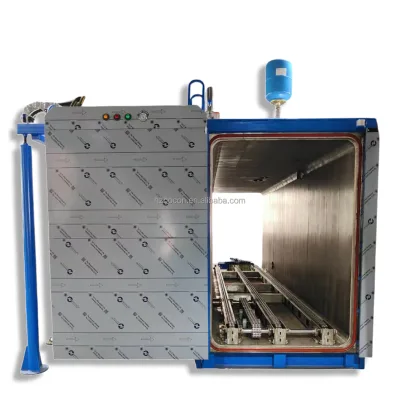
Procuring medical grade ethylene oxide sterilizers requires careful evaluation of equipment designed for hospital and medical supplies plant environments. These units typically feature stainless steel or carbon steel chambers with capacities ranging from 2CBM to 20CBM, accommodating various batch sizes. Buyers must verify that the specific model, such as the HTAJ or SQ series, aligns with their production volume and sterilization throughput needs.
The operational environment for these devices often involves precise control over temperature, humidity, and pressure to ensure effective sterilization rates. Units may operate with electric tensions of 220V or 380V and include intelligent PLC controls for automated dosing and monitoring. Understanding the specific working parameters, such as the -60kpa to 0 pressure range and 30-50 degree Celsius temperature window, is essential for facility integration and safety compliance.
Product Scope and Observed Listing Signals
Market listings for these sterilizers frequently display a wide price spectrum, reflecting differences in capacity, automation levels, and material construction. Prices observed range significantly, indicating that smaller benchtop units differ substantially from large industrial chambers capable of handling 20 cubic meters. Buyers should scrutinize the listed specifications to distinguish between basic models and those offering advanced features like LCD displays or 7-inch touch screens.
Listing signals often highlight customization availability, allowing facilities to tailor chamber dimensions or control interfaces to specific operational constraints. Some products specify standard export packing or wooden cases, while others mention sea and land transportation options. It is critical to confirm whether the listed capacity, such as 67L or 294L, matches the actual physical footprint and utility requirements of the intended installation site.
Technical Specifications to Verify
Technical verification must begin with the chamber material, which is often specified as 304 stainless steel for corrosion resistance or carbon steel for structural integrity. Buyers should confirm the exact dimensions, such as 976×790×1715mm or larger configurations, to ensure the equipment fits within the allocated facility space. The sterilization temperature range, typically between 37℃ and 55℃, must be compatible with the heat sensitivity of the medical supplies being processed.
Control systems are a pivotal technical aspect, with many units featuring PLC control for intelligent operation and automatic dosing methods. The inclusion of an LCD display or a 7-inch touch screen facilitates real-time monitoring of the sterilization cycle and alarm systems. Buyers must verify the working humidity range of 30%-80% and the specific humidification methods, such as steam humidification, to ensure consistent sterilization efficacy across different batches.
Compliance and Safety Documentation
Regulatory compliance is paramount, with many suppliers listing certifications such as FDA, CE, and ISO standards to validate their manufacturing quality. Buyers should request specific documentation proving that the instrument classification meets Class II requirements for medical devices. The presence of certifications like ISOCE or EEC indicates adherence to international safety and quality benchmarks, which is essential for regulatory approval in target markets.
Safety features must be explicitly documented, including ultra-high temperature alarms and precise working pressure controls. The sterilization rate, often claimed to be 99.9% or 100%, requires validation through independent test reports rather than relying solely on marketing claims. Documentation should also cover the sterilization information recording and printing capabilities, ensuring that every cycle is traceable and compliant with medical record-keeping standards.
Cost Drivers and Commercial Terms
The total cost of ownership is influenced by the unit's capacity, material grade, and the complexity of its control system. Larger chambers with capacities up to 20CBM and advanced features like automatic medicine jar dosing command higher prices than smaller, manually operated units. Buyers should analyze the price range observed in listings, which spans from affordable entry-level models to high-end industrial systems, to align budget with operational needs.
Commercial terms often include a standard one-year warranty and online technical support for after-sales service. The minimum order quantity is frequently set at one set, allowing for flexible procurement without bulk commitments. However, buyers must clarify if customized services incur additional costs and verify the specific packing requirements, such as wooden cases, which may impact shipping expenses and insurance coverage.
Supplier Qualification and Quality Control
Supplier qualification should focus on the origin of the equipment, with many units manufactured in Henan, China, a known hub for medical device production. Buyers must verify the supplier's ability to provide customized services and ensure that the production standards align with the specific requirements of the medical industry. The availability of online technical support is a key indicator of the supplier's commitment to long-term customer service and operational continuity.
Quality control processes should be transparent, with suppliers expected to provide detailed specifications for chamber materials and electrical components. Buyers should request evidence of the manufacturing process, including how the 2CBM to 20CBM capacity range is achieved and maintained. Ensuring that the supplier adheres to the stated standards, such as 495018702350mm dimensions or specific power ratings, is crucial for maintaining product reliability and safety.
Long-Term Procurement Checks
Long-term procurement success depends on verifying the durability of the sterilization equipment under continuous operation. Buyers should assess the warranty terms and the availability of spare parts for critical components like the dosing system and control panels. The ability to maintain the 30-50 degree Celsius working temperature and the specific pressure ranges over time is essential for consistent sterilization performance.
Regular maintenance checks should be planned to ensure the equipment continues to meet the 99.9% sterilization rate and other performance metrics. Buyers must establish a protocol for reviewing the sterilization information recording and printing logs to detect any deviations in the process. Establishing a clear communication channel for after-sales support ensures that any technical issues can be resolved promptly, minimizing downtime in critical medical supply operations.
FAQs
What certifications do medical grade eo sterilizers typically hold?
Medical grade EO sterilizers commonly hold FDA, ISO, and CE certifications to ensure regulatory compliance and safety standards. These credentials verify that the equipment meets international quality requirements for medical device processing. Buyers should verify specific certification documents with suppliers to confirm the exact standards applied to their chosen model and production batch.
How does the sterilization rate compare between different models?
Many medical grade EO sterilizers achieve a sterilization rate of 99.9% or even 100% for effective pathogen elimination. This high efficiency ensures that medical supplies and instruments are safely processed for clinical use. The actual performance depends on proper operation, gas concentration, and exposure time as defined by the specific machine's technical specifications and user manual.
Can these sterilizers be customized for specific hospital needs?
Yes, customization is available for medical grade EO sterilizers to fit unique hospital or facility requirements. Buyers can often select specific chamber sizes, control interfaces, or packing methods to match their workflow. This flexibility allows institutions to optimize space and operational efficiency while ensuring the equipment integrates seamlessly with existing medical supply processing systems.
What is the typical working temperature range for these units?
The working temperature for medical grade EO sterilizers generally ranges from 30 to 50 degrees Celsius. This low-temperature operation protects heat-sensitive medical instruments and materials from damage during the sterilization cycle. Maintaining this precise temperature range is critical for ensuring both the safety of the sterilized items and the longevity of the equipment components.
What material is used for the sterilization chamber construction?
The sterilization chamber is typically constructed from 304 stainless steel or carbon steel for durability and corrosion resistance. Stainless steel is preferred for its hygienic properties and ease of cleaning in medical environments. This material choice ensures the chamber can withstand repeated sterilization cycles while maintaining structural integrity and preventing contamination of medical supplies.
How is the sterilization information recorded and printed?
Medical grade EO sterilizers feature sterilization information recording and printing capabilities to track each processing cycle. This function logs critical parameters such as temperature, pressure, and time for quality assurance and regulatory audits. The printed records provide a verifiable history of sterilization, ensuring compliance with hospital infection control standards and medical device regulations.